by
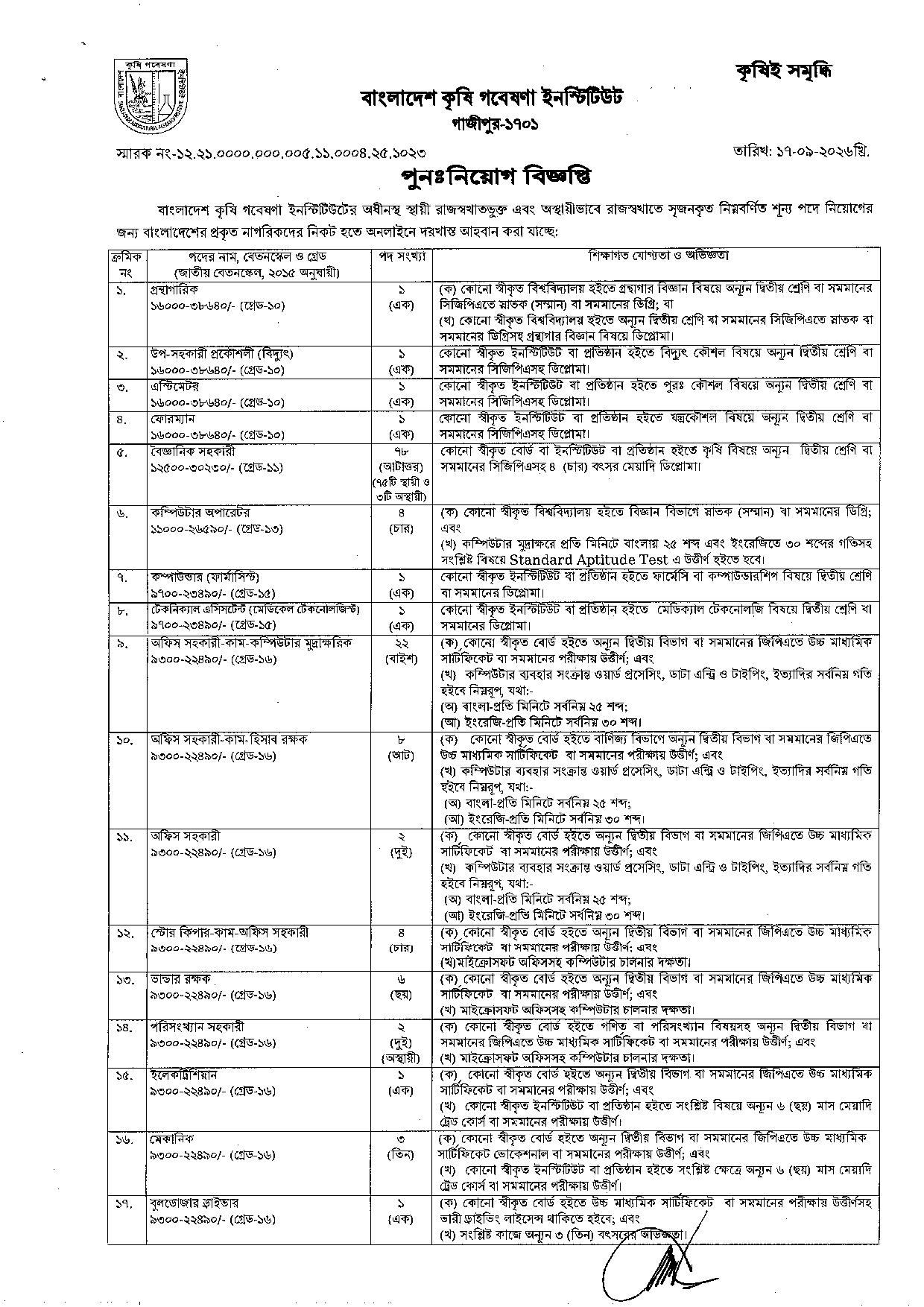
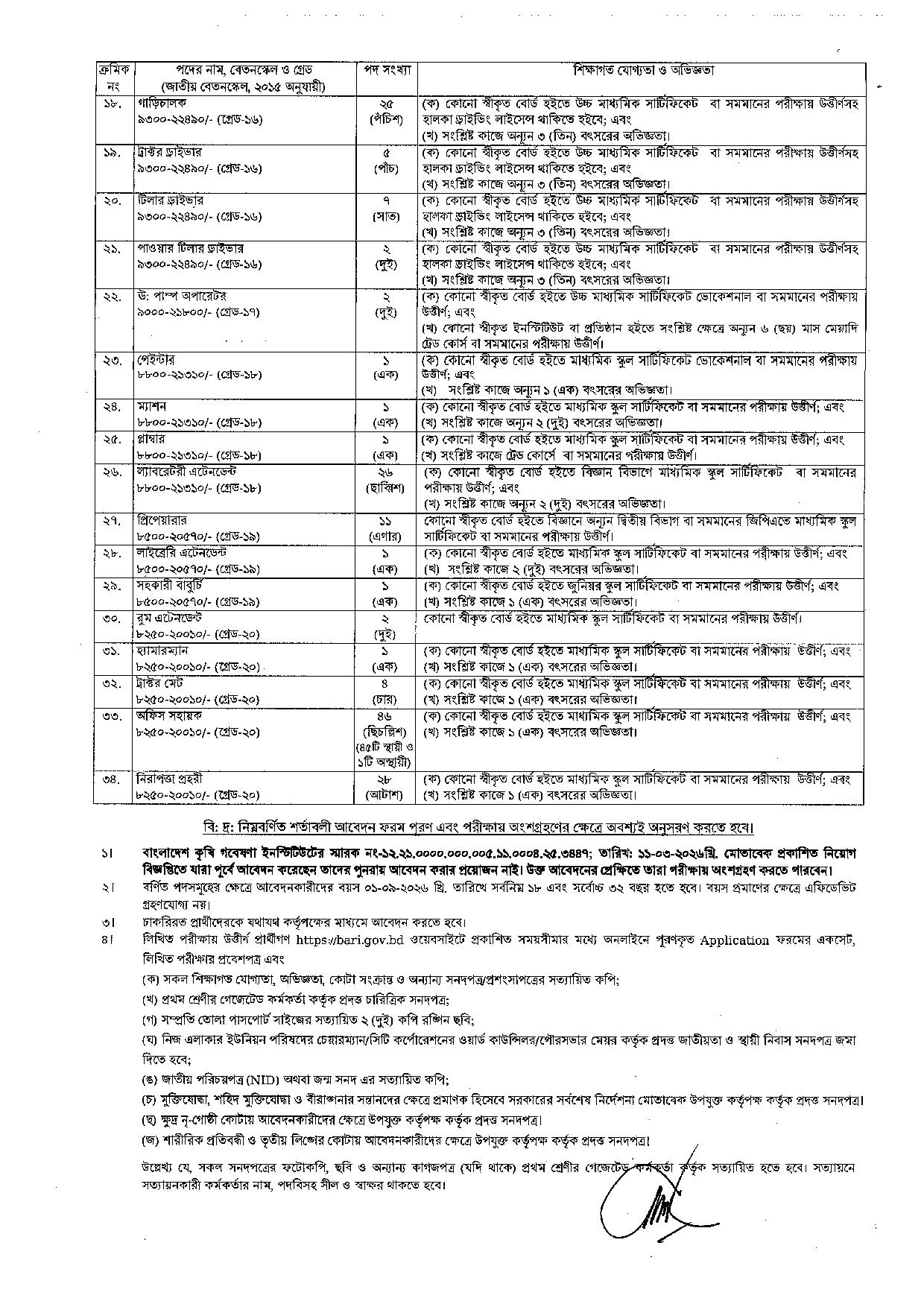
Company Name : Bangladesh Agricultural Research Institute (BARI)
Website : https://bari.gov.bd
Facebook Page
Wikipedia
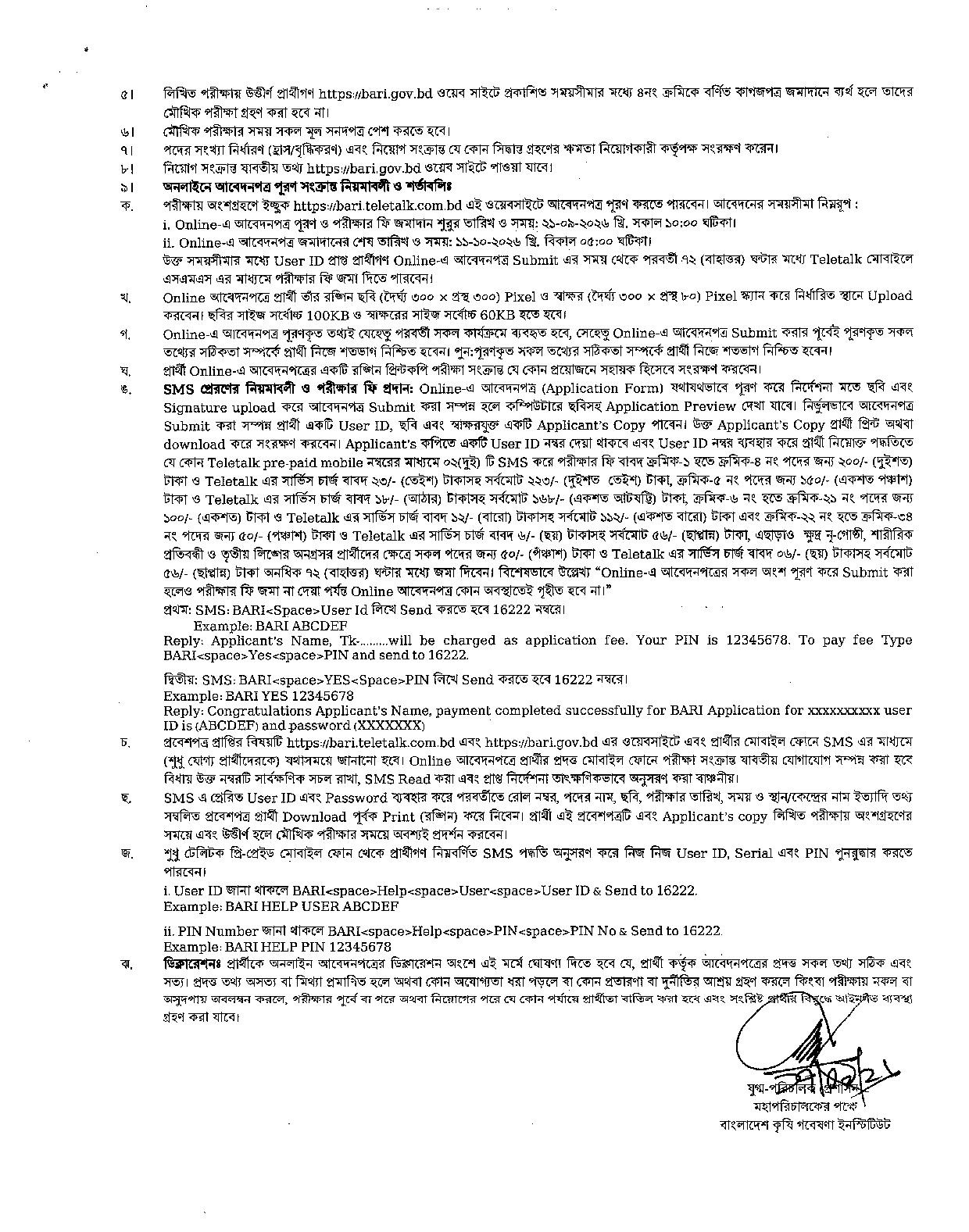
Online Apply https://bari.teletalk.com.bd
Source: Online
Date of the Circular: 17/09/2026
Last Date of Application: 11/10/2026
Total Post : 301
Bangladesh Agricultural Research Institute (BARI): History, Research, Crop Varieties, Agriculture and Jobs
The Bangladesh Agricultural Research Institute (BARI) is one of Bangladesh’s important agricultural research organizations. Its research activities cover crop improvement, crop production, soil and water management, plant nutrition, disease and insect management, biotechnology, postharvest processing, agricultural machinery and farm management.
BARI’s 2023–24 Annual Report describes research conducted by scientists working in different Crop Research Centres and Research Divisions. The research areas include cereals, pulses, oilseeds, horticultural crops, spices, tuber crops and other crops, along with broader agricultural technologies and management systems.
BARI at a Glance
| Topic | Information |
|---|---|
| Full Name | Bangladesh Agricultural Research Institute |
| Short Name | BARI |
| Bengali Name | বাংলাদেশ কৃষি গবেষণা ইনস্টিটিউট |
| Main Field | Agricultural research and technology development |
| Research Areas | Crops, soil, water, pests, diseases, machinery, biotechnology and more |
| Research Structure | Research Centres, Research Divisions and regional research activities |
| Headquarters | Gazipur |
| Official Website | BARI government website |
What is BARI?
BARI stands for Bangladesh Agricultural Research Institute.
It is an important national agricultural research organization working on practical agricultural problems in Bangladesh. Its research covers improved crop varieties, crop production, soil fertility, irrigation, pests and diseases, farm machinery, biotechnology and postharvest technologies.
The institute conducts research on a wide range of crops rather than focusing on only one crop group. Official BARI research documents include cereals, pulses, oilseeds, spices, tuber crops, vegetables, fruits and ornamental crops among its research areas.
Major Research Areas of BARI
1. Crop Variety Development
Developing improved crop varieties is an important part of agricultural research.
BARI research programs include improvement of cereal crops, pulse crops, oilseed crops, spices, tuber crops and vegetables. The research may consider yield, quality, adaptation and other desirable characteristics.
2. Pulse Crop Research
Pulse crops such as lentil, mungbean, blackgram, chickpea, grasspea, cowpea and field pea are included in BARI’s research planning.
Research on pulses can contribute to crop diversification, food production and improved farm systems.
3. Oilseed Research
BARI’s research programs also include mustard, sunflower, groundnut, sesame, soybean and safflower.
Oilseed research is relevant to crop diversification and the domestic supply of edible oils.
4. Spice Research
Onion, garlic, chilli, ginger and turmeric are among the spice crops included in BARI’s research programs.
5. Tuber Crop Research
Potato, sweet potato, aroids and cassava are among the tuber crops included in BARI’s research planning.
Such crops can contribute to food and nutrition security and provide alternatives within diversified cropping systems.
6. Vegetable Research
Vegetable research is another important area of BARI’s activities.
Official research planning documents include brinjal, tomato, bottle gourd, bitter gourd, pumpkin, ridge gourd, snake gourd, sponge gourd, capsicum, hyacinth bean, ash gourd, okra and pointed gourd among vegetable improvement activities.
Soil and Water Management
Agricultural productivity depends on more than improved crop varieties. Soil fertility, irrigation and efficient water use are also important.
BARI’s research areas include crop, soil, water and irrigation management, with research aimed at improving resource-use efficiency and crop production.
Plant Disease and Insect Management
Plant diseases and insect pests can reduce crop productivity and increase production costs.
BARI’s research programs include disease and insect management. Research in this area can involve disease-resistant varieties, pest-management approaches and improved crop protection practices.
Agricultural Mechanization
Agricultural mechanization is increasingly important because of labor availability, production costs and the need to complete farm operations on time.
BARI’s research areas include the development of low-cost farm machinery and farm-management technologies.
Biotechnology Research
Plant biotechnology is also included among BARI’s research areas.
Modern biotechnology can support research into plant characteristics, disease resistance, crop improvement and other agricultural objectives.
Postharvest Technology
Reducing losses after harvesting is an important part of improving agricultural value chains.
BARI’s research activities include postharvest processing, which can contribute to better utilization, processing and value addition of agricultural products.
Regional Agricultural Research
Agricultural problems vary between regions because of differences in soil, climate, cropping patterns and farming practices.
BARI conducted a Regional Research-Extension Review and Program Planning Workshop in 2024 across ten regions during 15–30 May. Scientists, extension personnel, farmers and other stakeholders participated in discussions about regional agricultural problems and research priorities.
Regional research and extension coordination can help connect scientific research with practical problems faced by farmers.
Why is BARI Important for Farmers?
BARI research addresses many practical issues faced by farmers.
Improved varieties, pest and disease management, soil fertility, irrigation, farm machinery and postharvest technologies can all influence farm productivity and profitability.
Therefore, agricultural research is important not only for scientific development but also for improving the practical options available to farmers.
BARI Jobs and Recruitment
BARI is also a relevant organization for people seeking careers in agricultural research and related government-sector positions.
Recruitment notices may be published for different positions at different times. Candidates should always distinguish current recruitment notices from older circulars because vacancies, qualifications, application procedures and deadlines can change.
For BARI recruitment, applicants should verify the latest official notice before submitting an application.
Preparing for BARI Recruitment
Candidates should begin by reading the specific recruitment circular and syllabus.
Depending on the position, preparation may involve Bangla, English, mathematics, general knowledge, ICT or specialized agricultural and scientific subjects.
For technical and research positions, subject-specific knowledge can be particularly important.
BARI Annual Reports
BARI’s annual reports provide useful information about its research activities and institutional performance.
The BARI Annual Report 2023–24 contains information about research conducted by scientists in different research centres and divisions, covering a wide range of crops and agricultural technologies.
Annual reports can therefore be useful sources for students, researchers, agriculture professionals and readers interested in Bangladesh’s agricultural development.
Climate Change and Agricultural Research
Climate change creates additional challenges for agriculture through changing temperature, rainfall, water availability, pests and diseases.
BARI’s regional research planning documents have highlighted the need to address emerging agricultural problems associated with changing climate, including disease and pest-related issues.
Future agricultural research is therefore likely to remain important for developing production systems that can adapt to changing environmental conditions.
Future Importance of BARI Research
Agricultural research will remain important as Bangladesh faces changing food demand, land-use pressures, climate variability and the need for efficient use of natural resources.
Important research themes may include:
- Climate-resilient crops
- Improved and short-duration varieties
- Disease and pest resistance
- Water-efficient farming
- Agricultural mechanization
- Efficient fertilizer management
- Postharvest technology
- Biotechnology
- Digital agriculture
- Data-driven farming
Specific future projects should, however, be verified through the latest official BARI publications and notices.
Frequently Asked Questions About BARI
What is the full form of BARI?
BARI stands for Bangladesh Agricultural Research Institute.
What does BARI do?
BARI conducts research on crops, soil, water, plant nutrition, pests and diseases, agricultural machinery, biotechnology, postharvest processing and farm management.
Where is BARI located?
BARI’s headquarters is located in Gazipur, Bangladesh.
Does BARI develop new crop varieties?
Yes. BARI’s research programs include improvement and development of different crop varieties.
What crops does BARI research?
Its research includes cereals, pulses, oilseeds, spices, tuber crops, vegetables, fruits and ornamental crops, among other areas.
How can I apply for a BARI job?
BARI publishes recruitment information for different positions from time to time. Applicants should check the latest official recruitment notice for eligibility, application procedure and deadline.
Conclusion
The Bangladesh Agricultural Research Institute (BARI) is an important institution in Bangladesh’s agricultural research system. Its work covers crop improvement, soil and water management, pest and disease management, agricultural machinery, biotechnology and postharvest processing.
BARI’s research activities are closely connected with the practical needs of Bangladesh’s agricultural sector. Its annual reports and regional research programs provide useful information about crop research, agricultural technologies and emerging farming challenges.
বাংলাদেশ কৃষি গবেষণা ইনস্টিটিউট (BARI): ইতিহাস, গবেষণা, উদ্ভাবন, কৃষি উন্নয়ন ও চাকরি
বাংলাদেশের কৃষি গবেষণা, নতুন ফসলের জাত উদ্ভাবন এবং কৃষি উৎপাদনশীলতা বৃদ্ধির ক্ষেত্রে বাংলাদেশ কৃষি গবেষণা ইনস্টিটিউট (BARI) একটি গুরুত্বপূর্ণ জাতীয় প্রতিষ্ঠান। বিভিন্ন ধরনের ফসল নিয়ে গবেষণা, উন্নত জাত উদ্ভাবন, রোগ-পোকা ব্যবস্থাপনা, মাটি ও পানি ব্যবস্থাপনা, কৃষি যন্ত্রপাতি, ফসল সংগ্রহ-পরবর্তী প্রযুক্তি এবং কৃষকদের জন্য আধুনিক কৃষি প্রযুক্তি উন্নয়নে BARI-এর গবেষণা কার্যক্রম পরিচালিত হয়।
BARI-এর সর্বশেষ প্রকাশিত ২০২৩–২৪ অর্থবছরের বার্ষিক প্রতিবেদনে বিভিন্ন Crop Research Centre ও Research Division-এর বিজ্ঞানীদের গবেষণা কার্যক্রমের বিস্তারিত তথ্য রয়েছে। সেখানে কন্দজাতীয় ফসল, তৈলবীজ, ফল, সবজি, মসলা, শস্যসহ বিভিন্ন ফসলের জাত উন্নয়নের পাশাপাশি cropping system, soil and water management, plant nutrition, disease and insect management, biotechnology, postharvest processing এবং farm machinery নিয়ে গবেষণার কথা উল্লেখ করা হয়েছে।
এক নজরে BARI
| বিষয় | তথ্য |
|---|---|
| বাংলা নাম | বাংলাদেশ কৃষি গবেষণা ইনস্টিটিউট |
| ইংরেজি নাম | Bangladesh Agricultural Research Institute |
| সংক্ষিপ্ত নাম | BARI |
| প্রধান ক্ষেত্র | কৃষি গবেষণা ও প্রযুক্তি উন্নয়ন |
| গবেষণার বিষয় | ফসল, মাটি, পানি, রোগ-পোকা, কৃষি যন্ত্রপাতি, biotechnology ইত্যাদি |
| গবেষণা কাঠামো | Research Centre, Research Division ও আঞ্চলিক গবেষণা কার্যক্রম |
| প্রধান কার্যালয় | গাজীপুর |
| ওয়েবসাইট | BARI-এর সরকারি ওয়েবসাইট |
BARI কী?
BARI-এর পূর্ণরূপ হলো Bangladesh Agricultural Research Institute। বাংলায় এর নাম বাংলাদেশ কৃষি গবেষণা ইনস্টিটিউট।
এটি বাংলাদেশের কৃষি গবেষণা ব্যবস্থার একটি গুরুত্বপূর্ণ প্রতিষ্ঠান। কৃষকের উৎপাদন সমস্যা, নতুন ফসলের জাতের প্রয়োজন, জলবায়ু পরিবর্তনের প্রভাব, রোগ-পোকা, মাটির উর্বরতা, সেচ, কৃষি যান্ত্রিকীকরণ এবং ফসল সংগ্রহ-পরবর্তী ক্ষতি কমানোর মতো বিভিন্ন বিষয়ে গবেষণা করা হয়।
BARI-এর গবেষণা কার্যক্রম শুধু একটি নির্দিষ্ট ফসলের মধ্যে সীমাবদ্ধ নয়। সরকারি গবেষণা প্রতিবেদনে cereals, pulses, oilseeds, spices, tuber crops, vegetables, fruits ও ornamental cropsসহ বিস্তৃত ফসলের গবেষণার তথ্য পাওয়া যায়।
BARI-এর গবেষণার প্রধান ক্ষেত্র
BARI-এর গবেষণা কার্যক্রমকে কয়েকটি বড় ক্ষেত্রে বোঝা যায়।
১. ফসলের নতুন জাত উদ্ভাবন
কৃষি উৎপাদন বৃদ্ধির জন্য উন্নত জাত অত্যন্ত গুরুত্বপূর্ণ। BARI-এর বিভিন্ন গবেষণা বিভাগ ও কেন্দ্র বিভিন্ন ফসলের উন্নত জাত, উচ্চফলনশীল বৈশিষ্ট্য, রোগ প্রতিরোধ, গুণগত মান এবং বিভিন্ন পরিবেশে অভিযোজন নিয়ে গবেষণা করে।
সরকারি গবেষণা পরিকল্পনায় cereal crops, pulses, oilseeds, spices, tuber crops এবং vegetables-এর উন্নয়নকে পৃথক গবেষণা কর্মসূচি হিসেবে দেখানো হয়েছে।
২. ডালজাতীয় ফসল
মসুর, মুগ, মাসকলাই, ছোলা, খেসারি, কাউপি ও field pea-এর মতো বিভিন্ন pulse crop নিয়ে গবেষণা BARI-এর গবেষণা কর্মসূচির অংশ।
ডালজাতীয় ফসলের ফলন, রোগ প্রতিরোধ এবং কৃষি ব্যবস্থার সঙ্গে উপযোগিতা বাড়ানোর জন্য বিভিন্ন গবেষণা পরিচালিত হয়।
৩. তৈলবীজ গবেষণা
সরিষা, সূর্যমুখী, চিনাবাদাম, তিল, সয়াবিন ও safflower-এর মতো তৈলবীজ নিয়েও গবেষণা করা হয়।
দেশের ভোজ্যতেলের চাহিদা, কৃষকের আয় এবং ফসলের বৈচিত্র্য বাড়ানোর ক্ষেত্রে তৈলবীজ গবেষণার গুরুত্ব রয়েছে।
৪. মসলা ফসলের গবেষণা
পেঁয়াজ, রসুন, মরিচ, আদা ও হলুদের মতো মসলা ফসলের উন্নয়ন নিয়েও BARI-এর গবেষণা কার্যক্রম রয়েছে। সরকারি গবেষণা পরিকল্পনায় Spices and Condiment Crops Improvement একটি পৃথক কর্মসূচি হিসেবে উল্লেখ করা হয়েছে।
৫. কন্দ ও মূলজাতীয় ফসল
আলু, মিষ্টি আলু, কচু এবং cassava-এর মতো tuber crops নিয়েও গবেষণা করা হয়।
এই ধরনের ফসল খাদ্য ও পুষ্টি নিরাপত্তায় ভূমিকা রাখে এবং অনেক ক্ষেত্রে ধানভিত্তিক কৃষির বিকল্প বা পরিপূরক ফসল হিসেবে ব্যবহৃত হতে পারে।
৬. সবজি গবেষণা
BARI-এর Horticulture Research Centre ও সংশ্লিষ্ট গবেষণা কার্যক্রমে বিভিন্ন সবজি নিয়ে গবেষণা করা হয়।
সরকারি গবেষণা পরিকল্পনায় বেগুন, টমেটো, লাউ, করলা, মিষ্টিকুমড়া, ঝিঙা, চিচিঙ্গা, capsicum, বরবটি, ঢেঁড়স ও পটোলসহ বিভিন্ন সবজির উন্নয়নের কথা উল্লেখ রয়েছে।
মাটি ও পানি ব্যবস্থাপনা
কৃষির উৎপাদনশীলতা শুধু উন্নত জাতের ওপর নির্ভর করে না। মাটির স্বাস্থ্য, সার ব্যবস্থাপনা, পানি ব্যবস্থাপনা ও সেচ ব্যবস্থারও গুরুত্বপূর্ণ ভূমিকা রয়েছে।
BARI-এর গবেষণার অন্যতম ক্ষেত্র হলো crop, soil, water and irrigation management। গবেষণার মাধ্যমে বিভিন্ন ফসলের জন্য সম্পদ ব্যবহারের দক্ষতা বাড়ানোর উপায় খোঁজা হয়।
রোগ ও পোকামাকড় ব্যবস্থাপনা
বাংলাদেশের কৃষিতে ফসলের রোগ ও পোকামাকড় একটি বড় উৎপাদন সমস্যা হতে পারে। তাই রোগ প্রতিরোধী জাত, integrated pest management এবং পরিবেশসম্মত রোগ-পোকা নিয়ন্ত্রণ পদ্ধতি নিয়ে গবেষণা গুরুত্বপূর্ণ।
BARI-এর বার্ষিক প্রতিবেদনে disease and insect management-কে অন্যতম গবেষণা ক্ষেত্র হিসেবে উল্লেখ করা হয়েছে।
কৃষি যান্ত্রিকীকরণে BARI-এর ভূমিকা
কৃষি শ্রমিকের সংকট, উৎপাদন ব্যয় এবং সময় কমানোর জন্য কৃষি যান্ত্রিকীকরণ গুরুত্বপূর্ণ হয়ে উঠছে।
BARI-এর গবেষণার মধ্যে low-cost farm machinery এবং farm management-এর মতো বিষয় রয়েছে। কৃষি যন্ত্রপাতির উন্নয়ন ও ব্যবহারযোগ্য প্রযুক্তি কৃষকের উৎপাদন খরচ ও সময় কমাতে সহায়তা করতে পারে।
Biotechnology গবেষণা
আধুনিক কৃষি গবেষণায় biotechnology একটি গুরুত্বপূর্ণ ক্ষেত্র। BARI-এর গবেষণা কার্যক্রমে plant biotechnology-ও অন্তর্ভুক্ত।
Biotechnology ব্যবহার করে উদ্ভিদের বৈশিষ্ট্য, রোগ প্রতিরোধ, উৎপাদনশীলতা এবং অন্যান্য কাঙ্ক্ষিত বৈশিষ্ট্য নিয়ে গবেষণা করা সম্ভব।
ফসল সংগ্রহ-পরবর্তী প্রযুক্তি
কৃষকের উৎপাদিত ফসল বাজারে পৌঁছানোর আগেই অনেক সময় ক্ষতিগ্রস্ত হয়। এ কারণে postharvest processing, সংরক্ষণ ও মূল্য সংযোজন কৃষি অর্থনীতির জন্য গুরুত্বপূর্ণ।
BARI-এর গবেষণার অন্যতম ক্ষেত্র হলো postharvest processing। এর মাধ্যমে ফসলের ব্যবহারযোগ্যতা ও মূল্য সংযোজনের সম্ভাবনা নিয়ে গবেষণা করা হয়।
আঞ্চলিক গবেষণা কার্যক্রম
বাংলাদেশের বিভিন্ন অঞ্চলের মাটি, জলবায়ু, ফসলের ধরন ও কৃষকের সমস্যা এক নয়। তাই অঞ্চলভিত্তিক কৃষি গবেষণা গুরুত্বপূর্ণ।
BARI ২০২৪ সালে বিভিন্ন অঞ্চলে Regional Research-Extension Review and Program Planning Workshop আয়োজন করেছিল। সরকারি প্রতিবেদনে ১৫–৩০ মে ২০২৪ সময়ে ১০টি অঞ্চলে অনুষ্ঠিত কর্মশালার তথ্য রয়েছে। সেখানে বিজ্ঞানী, সম্প্রসারণ কর্মকর্তা, কৃষক ও অন্যান্য সংশ্লিষ্ট ব্যক্তিরা আঞ্চলিক কৃষি সমস্যা নিয়ে আলোচনা করেন।
এই ধরনের কার্যক্রম গবেষণা এবং মাঠপর্যায়ের কৃষি সমস্যার মধ্যে যোগাযোগ তৈরিতে সহায়তা করে।
কৃষকের জন্য BARI কেন গুরুত্বপূর্ণ?
BARI-এর গবেষণার অন্যতম উদ্দেশ্য হলো কৃষির বাস্তব সমস্যার সমাধান খুঁজে বের করা।
একজন কৃষকের জন্য উন্নত জাত, রোগ-পোকা ব্যবস্থাপনা, সঠিক সার প্রয়োগ, সেচ ব্যবস্থাপনা, কৃষি যন্ত্রপাতি এবং ফসল সংগ্রহ-পরবর্তী প্রযুক্তি সরাসরি উৎপাদন ব্যবস্থার সঙ্গে সম্পর্কিত।
এ কারণে BARI-এর গবেষণা শুধু গবেষণাগার বা পরীক্ষামূলক মাঠের মধ্যে সীমাবদ্ধ নয়; গবেষণার ফলাফল কৃষি সম্প্রসারণ ব্যবস্থার মাধ্যমে কৃষকের কাছে পৌঁছানোর বিষয়টিও গুরুত্বপূর্ণ।
BARI চাকরি ও নিয়োগ
বাংলাদেশের কৃষি ও গবেষণা খাতে চাকরিপ্রার্থীদের কাছে BARI একটি গুরুত্বপূর্ণ প্রতিষ্ঠান। বিভিন্ন সময়ে BARI-এর বিভিন্ন পদে নিয়োগ বিজ্ঞপ্তি প্রকাশিত হয়।
তবে BARI Job Circular সম্পর্কে তথ্য প্রকাশ করার সময় পুরোনো নিয়োগ বিজ্ঞপ্তি ও বর্তমান বিজ্ঞপ্তির মধ্যে পার্থক্য করা জরুরি। পদসংখ্যা, যোগ্যতা, বয়সসীমা, আবেদন পদ্ধতি ও সময়সীমা প্রতিটি বিজ্ঞপ্তিতে আলাদা হতে পারে।
চাকরিপ্রার্থীদের BARI-এর অফিসিয়াল নোটিশ ও নিয়োগসংক্রান্ত সর্বশেষ তথ্য যাচাই করে আবেদন করা উচিত।
BARI চাকরির প্রস্তুতি
কোনো নিয়োগ পরীক্ষার প্রস্তুতির আগে সংশ্লিষ্ট নিয়োগ বিজ্ঞপ্তি ও সিলেবাস ভালোভাবে পড়া উচিত।
পদভেদে বাংলা, ইংরেজি, গণিত, সাধারণ জ্ঞান, বাংলাদেশ বিষয়াবলি, ICT অথবা সংশ্লিষ্ট কৃষি/বৈজ্ঞানিক বিষয়ের ওপর প্রস্তুতি প্রয়োজন হতে পারে।
গবেষণা বা technical position-এর ক্ষেত্রে সংশ্লিষ্ট subject knowledge বিশেষভাবে গুরুত্বপূর্ণ হতে পারে।
BARI-এর গবেষণা প্রতিবেদন
BARI-এর বার্ষিক প্রতিবেদন গবেষণা কার্যক্রম সম্পর্কে জানার একটি গুরুত্বপূর্ণ উৎস।
২০২৩–২৪ সালের Annual Report-এ বিভিন্ন গবেষণা কেন্দ্র ও গবেষণা বিভাগের বিজ্ঞানীদের গবেষণা কার্যক্রম, পরীক্ষার ফলাফল এবং বিভিন্ন ফসলভিত্তিক গবেষণার তথ্য অন্তর্ভুক্ত রয়েছে।
এ ধরনের প্রতিবেদন থেকে কৃষি গবেষণার বর্তমান প্রবণতা, নতুন প্রযুক্তি এবং বিভিন্ন ফসলের ওপর চলমান গবেষণা সম্পর্কে ধারণা পাওয়া যায়।
জলবায়ু পরিবর্তন ও BARI-এর গবেষণা
বাংলাদেশের কৃষিতে জলবায়ু পরিবর্তনের প্রভাব ক্রমেই গুরুত্বপূর্ণ হয়ে উঠছে। তাপমাত্রা, বৃষ্টিপাত, জলাবদ্ধতা, খরা, নতুন রোগ-পোকা এবং ফসলের মৌসুম পরিবর্তনের মতো বিষয় কৃষি উৎপাদনে প্রভাব ফেলতে পারে।
BARI-এর আঞ্চলিক গবেষণা পরিকল্পনায় পরিবর্তিত জলবায়ুর কারণে রোগ ও পোকামাকড়সহ বিভিন্ন উদীয়মান সমস্যাকে গবেষণায় অন্তর্ভুক্ত করার প্রয়োজনীয়তার কথা উল্লেখ করা হয়েছে।
BARI-এর ভবিষ্যৎ গবেষণার গুরুত্ব
বাংলাদেশের জনসংখ্যা, খাদ্য চাহিদা, কৃষিজমির পরিবর্তন এবং জলবায়ু পরিস্থিতির কারণে কৃষি গবেষণার গুরুত্ব আরও বাড়ছে।
ভবিষ্যতে BARI-এর গবেষণায়—
- জলবায়ু সহনশীল ফসল
- উচ্চফলনশীল জাত
- স্বল্পমেয়াদি ফসল
- রোগ ও পোকা প্রতিরোধ
- পানি সাশ্রয়ী প্রযুক্তি
- কৃষি যান্ত্রিকীকরণ
- নিরাপদ ও দক্ষ সার ব্যবস্থাপনা
- postharvest technology
- biotechnology
- ডিজিটাল কৃষি ও AI
—এর মতো বিষয় আরও গুরুত্বপূর্ণ হয়ে উঠতে পারে। তবে নির্দিষ্ট ভবিষ্যৎ প্রকল্প বা প্রযুক্তি সম্পর্কে তথ্য প্রকাশের আগে BARI-এর সর্বশেষ সরকারি নোটিশ বা গবেষণা পরিকল্পনা যাচাই করা উচিত।
BARI সম্পর্কে Frequently Asked Questions (FAQ)
BARI-এর পূর্ণরূপ কী?
BARI-এর পূর্ণরূপ হলো Bangladesh Agricultural Research Institute। বাংলায় এটি বাংলাদেশ কৃষি গবেষণা ইনস্টিটিউট।
BARI কী কাজ করে?
BARI বিভিন্ন ফসল, মাটি, পানি, রোগ-পোকা, কৃষি যন্ত্রপাতি, biotechnology, postharvest processing এবং কৃষি ব্যবস্থাপনা নিয়ে গবেষণা করে।
BARI কোথায় অবস্থিত?
BARI-এর প্রধান কার্যালয় গাজীপুরে অবস্থিত।
BARI কি নতুন ফসলের জাত উদ্ভাবন করে?
হ্যাঁ। বিভিন্ন গবেষণা কেন্দ্র ও গবেষণা বিভাগের মাধ্যমে বিভিন্ন ফসলের উন্নত জাত উদ্ভাবন ও উন্নয়ন নিয়ে গবেষণা পরিচালিত হয়।
BARI কী কী ফসল নিয়ে গবেষণা করে?
গবেষণার মধ্যে cereals, pulses, oilseeds, spices, tuber crops, vegetables, fruits এবং ornamental cropsসহ বিভিন্ন ফসল অন্তর্ভুক্ত রয়েছে।
BARI-তে চাকরি পাওয়া যায় কীভাবে?
BARI বিভিন্ন সময়ে বিভিন্ন পদে নিয়োগ বিজ্ঞপ্তি প্রকাশ করে। চাকরিপ্রার্থীদের সর্বশেষ নিয়োগ বিজ্ঞপ্তি, যোগ্যতা, আবেদন পদ্ধতি ও সময়সীমা অফিসিয়াল উৎস থেকে যাচাই করা উচিত।
উপসংহার
বাংলাদেশ কৃষি গবেষণা ইনস্টিটিউট (BARI) বাংলাদেশের কৃষি গবেষণার একটি গুরুত্বপূর্ণ প্রতিষ্ঠান। ফসলের উন্নত জাত উদ্ভাবন থেকে শুরু করে মাটি ও পানি ব্যবস্থাপনা, রোগ-পোকা নিয়ন্ত্রণ, কৃষি যন্ত্রপাতি, biotechnology এবং postharvest processing—বিভিন্ন ক্ষেত্রে BARI-এর গবেষণা কার্যক্রম বিস্তৃত।
বাংলাদেশের কৃষিকে আরও উৎপাদনশীল, আধুনিক ও পরিবেশের পরিবর্তনের সঙ্গে মানিয়ে নেওয়ার ক্ষেত্রে গবেষণার ভূমিকা অত্যন্ত গুরুত্বপূর্ণ। BARI-এর বার্ষিক প্রতিবেদন ও আঞ্চলিক গবেষণা কার্যক্রম থেকে দেশের কৃষির বিভিন্ন সমস্যা ও তার সম্ভাব্য প্রযুক্তিগত সমাধান সম্পর্কে ধারণা পাওয়া যায়।